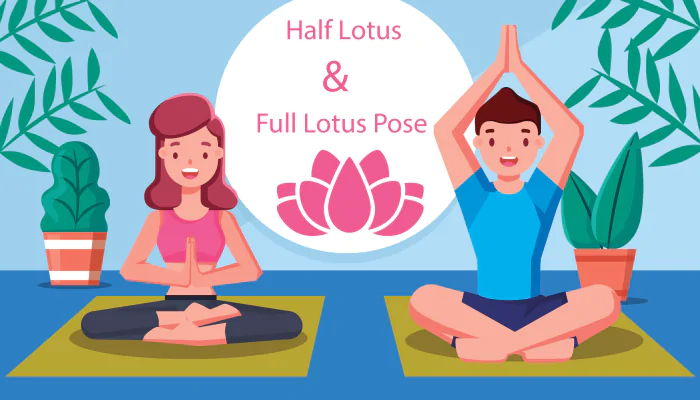
If you’ve ever seen a yogi or monk sitting peacefully in meditation, chances are they were in a Lotus pose. It’s one of the most iconic and powerful meditation positions in the world. But here’s the thing: Lotus isn’t just one fixed shape. There’s Half Lotus (Ardha Padmasana) and the more advanced Full Lotus (Padmasana) — both holding unique benefits and challenges.
Let’s walk through their story, their benefits, and how you can make them a part of your meditation journey. If you’d like to explore more meditation postures, check out our Ultimate Guide to 15 Meditation Poses.
History of the Lotus Pose
The Lotus pose has roots that go back thousands of years in ancient India. In yogic tradition, Lotus represents purity and spiritual awakening — much like the lotus flower itself, which grows in muddy water but blooms beautifully above the surface.The Lotus pose has roots that go back thousands of years in ancient India. In yogic tradition, Lotus represents purity and spiritual awakening — much like the lotus flower itself, which grows in muddy water but blooms beautifully above the surface.
In Hindu and Buddhist texts, deities and enlightened beings are often depicted sitting in Lotus, symbolizing stillness, balance, and transcendence. Even today, when people think of meditation, the Lotus position is often the first image that comes to mind.
Health Benefits of Lotus Pose
Both Half and Full Lotus share a lot of health and mental benefits:
- Improves flexibility: Regular practice opens up the hips, knees, and ankles.
- Enhances posture: Sitting upright in Lotus naturally aligns your spine.
- Deepens meditation: The symmetrical position keeps the body still, which helps the mind focus.
- Calms the nervous system: Slow, steady breathing in Lotus helps reduce stress and anxiety.
- Stimulates blood flow: Especially in the lower body, aiding circulation
Many meditators say that once they get comfortable in Lotus, their sessions feel more grounded and focused.
Precautions for Lotus Pose
Now, a word of caution: Lotus isn’t for everyone — at least not right away. It requires flexibility, especially in the hips and knees. Jumping straight into Lotus without preparing your body can cause injuries.
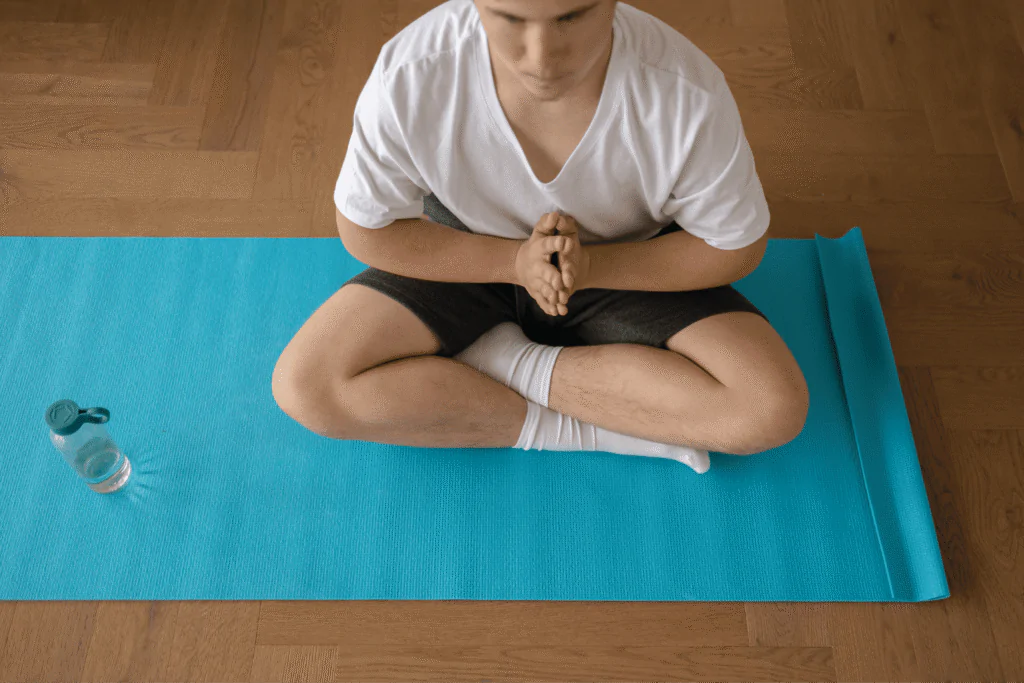
Here are some things to keep in mind:
- If you have knee, hip, or ankle issues, avoid forcing Lotus.
- Start with Half Lotus if Full Lotus feels too intense.
- Always warm up your hips with stretches before sitting in Lotus.
- Use a cushion or folded blanket under your hips to reduce pressure.
- Listen to your body — pain is a signal to back off, not push harder.
Preparatory and Follow-Up Poses
Getting into Lotus is easier if you prepare your body with a few yoga poses:
Preparatory Poses:
- Bound Angle Pose (Baddha Konasana) – to open up the hips.
- Pigeon Pose (Eka Pada Rajakapotasana) – deep hip opener.
- Seated Forward Bend (Paschimottanasana) – stretches hamstrings and lower back.
Follow-Up Poses:
- Staff Pose (Dandasana) – neutralises the legs after sitting.
- Seated Twist – releases tension in the spine.
- Shavasana (Corpse Pose) – relaxes the whole body after meditation.
How to Do Half Lotus & Full Lotus Pose
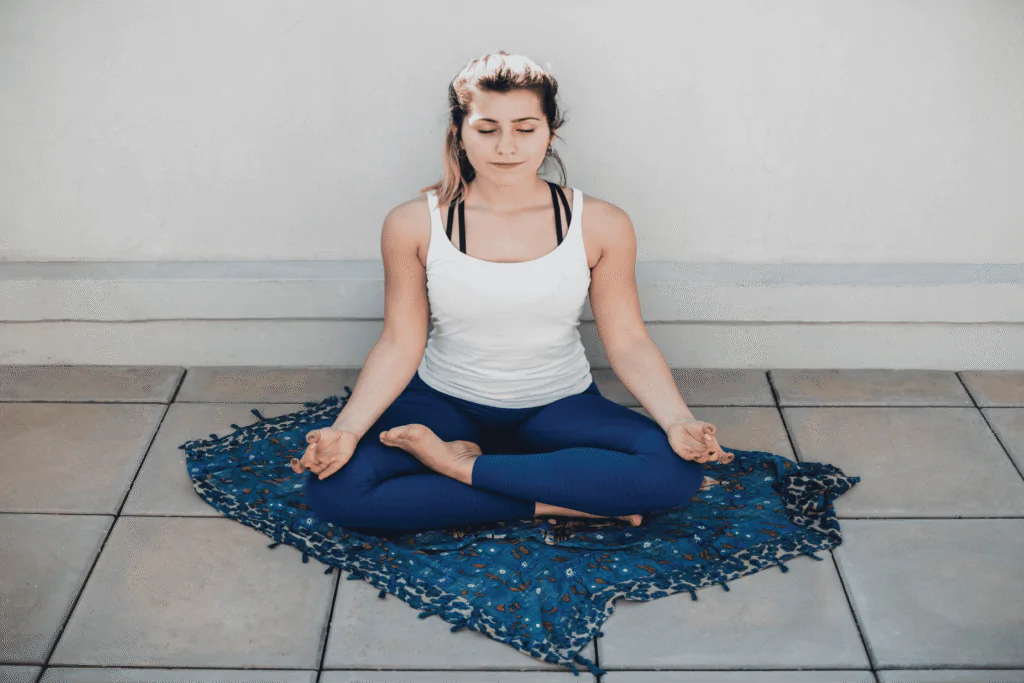
Half Lotus (Ardha Padmasana)
- Sit on the floor with your legs extended.
- Bend your right knee and place your right foot on your left thigh (sole facing upward).
- Keep the other leg relaxed, foot tucked under the opposite thigh.
- Place your hands on your knees or in a mudra.
- Keep your spine tall, shoulders relaxed, and breathe steadily.
Full Lotus (Padmasana)
- Begin in a seated position.
- Bend your right knee and place your right foot on your left thigh.
- Then bend your left knee and place your left foot on your right thigh.
- Both soles should face upward, with heels close to the abdomen.
- Hands rest on the knees or in your lap, spine tall.
Alignment Clues
- Keep your spine naturally tall, not stiff.
- Shoulders relaxed, chin slightly tucked.
- Knees ideally touching the floor, or close to it.
- Distribute weight evenly across the sit bones.
- Avoid rounding your lower back — use a cushion if needed.
Variations of Lotus Pose
Lotus isn’t just a “one-size-fits-all” meditation pose. Depending on your flexibility, experience, and body comfort, there are different versions you can try. Each one has its own benefits and can be a stepping stone toward mastering the full pose. Let’s explore them one by one.
Half Lotus Pose (Ardha Padmasana)
If full lotus feels like too much for your knees or hips, half lotus is your best friend. In this version, you place one foot on top of the opposite thigh while keeping the other foot resting comfortably on the floor. This makes it much gentler on the joints while still giving you the grounding and stability of a traditional meditation pose.
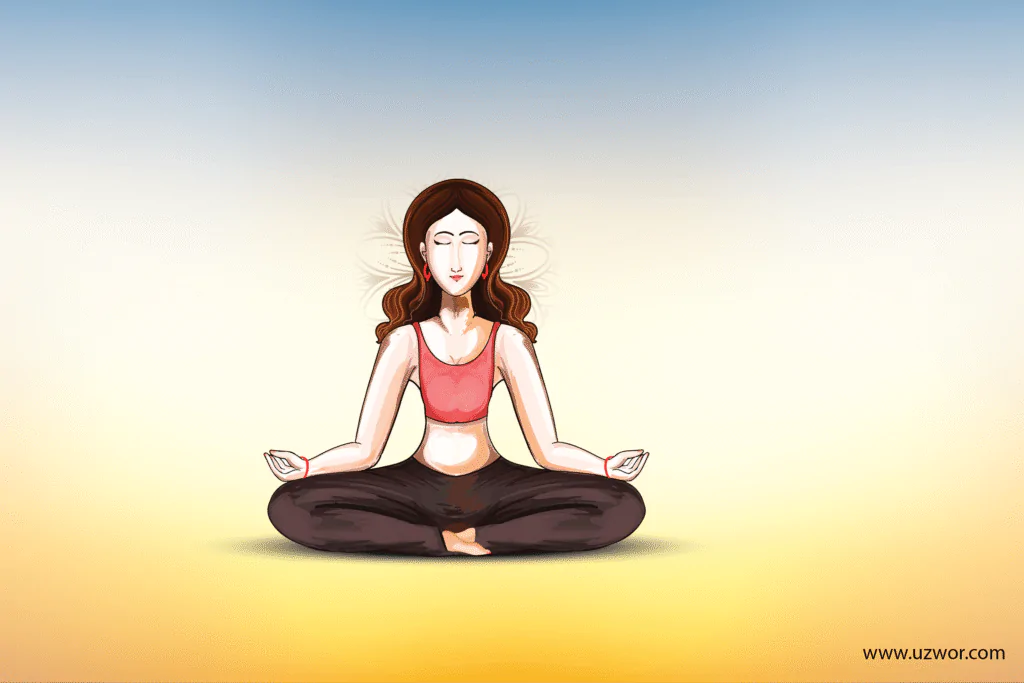
It’s perfect for beginners because it helps you open up the hips gradually without forcing your body into discomfort. Over time, practising half lotus will prepare you to attempt the full version safely.
Bound Lotus Pose (Baddha Padmasana)
This variation is for more advanced practitioners. Here, you move into the full lotus position and then reach your arms behind your back, clasping your toes. Sounds tricky, right? It definitely requires flexibility in the shoulders and chest, in addition to the hips.
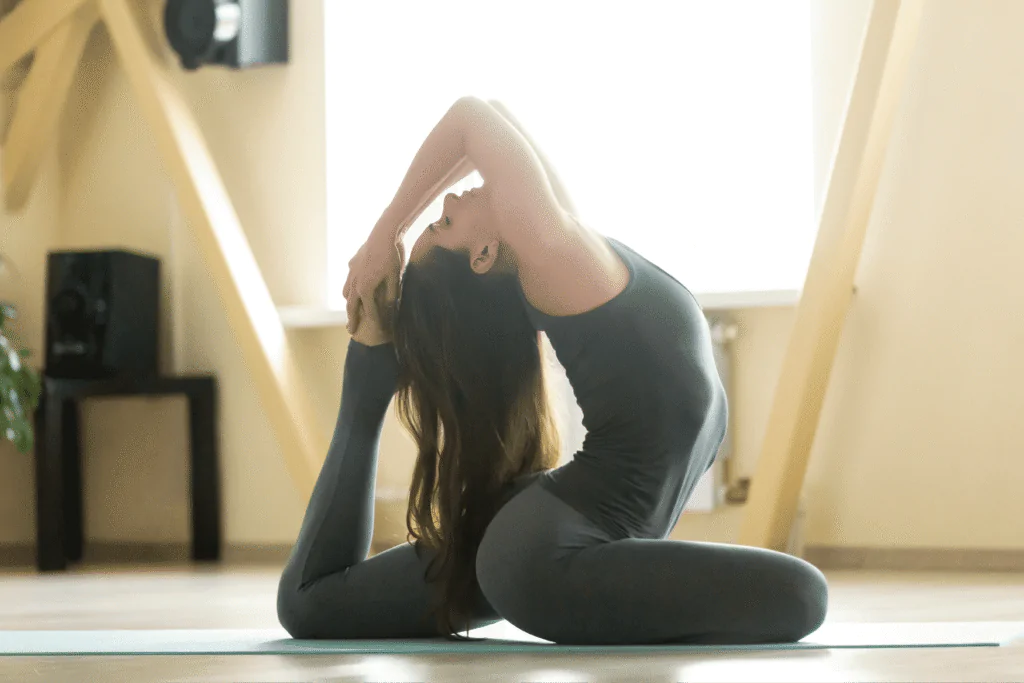
But the payoff is amazing—it promotes better posture, opens up your chest, and can give you a deeper sense of stillness while meditating. If you’re into pranayama (breathing practices), the bound lotus also keeps your spine aligned and lungs open, making breathwork more effective.
Reclined Lotus Pose (Supta Padmasana)
Now this one is for when you’re ready to combine relaxation with challenge. You start in the full lotus and then gently recline onto your back. Your legs stay crossed in lotus, but your body lies flat.
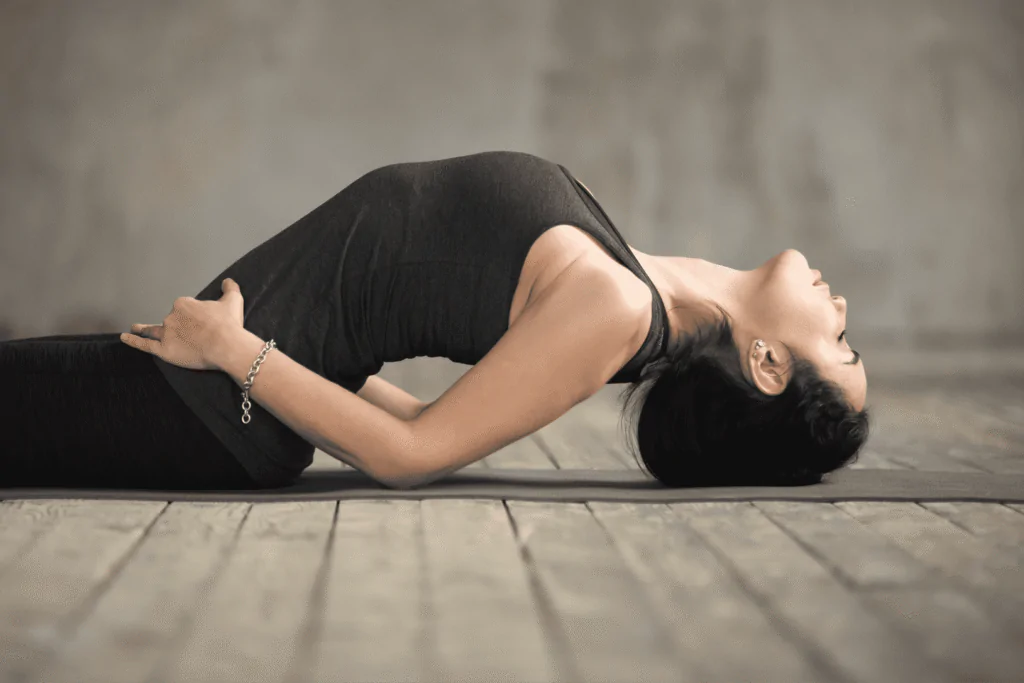
The reclined lotus is excellent for stretching the hips and legs even further, and it adds a restorative element since you’re lying down. It’s often used in advanced yoga sequences for deep meditation or breath awareness. However, it’s best to attempt this only if you’re already very comfortable in full lotus—otherwise, your knees might protest.
Easy Pose (Sukhasana) as a Lotus Alternative
Okay, technically, this isn’t a variation of lotus, but I want to give it a try because it’s a great alternative for people who struggle with hip or knee flexibility. Instead of forcing your body into half or full lotus, you simply sit cross-legged with your spine tall.
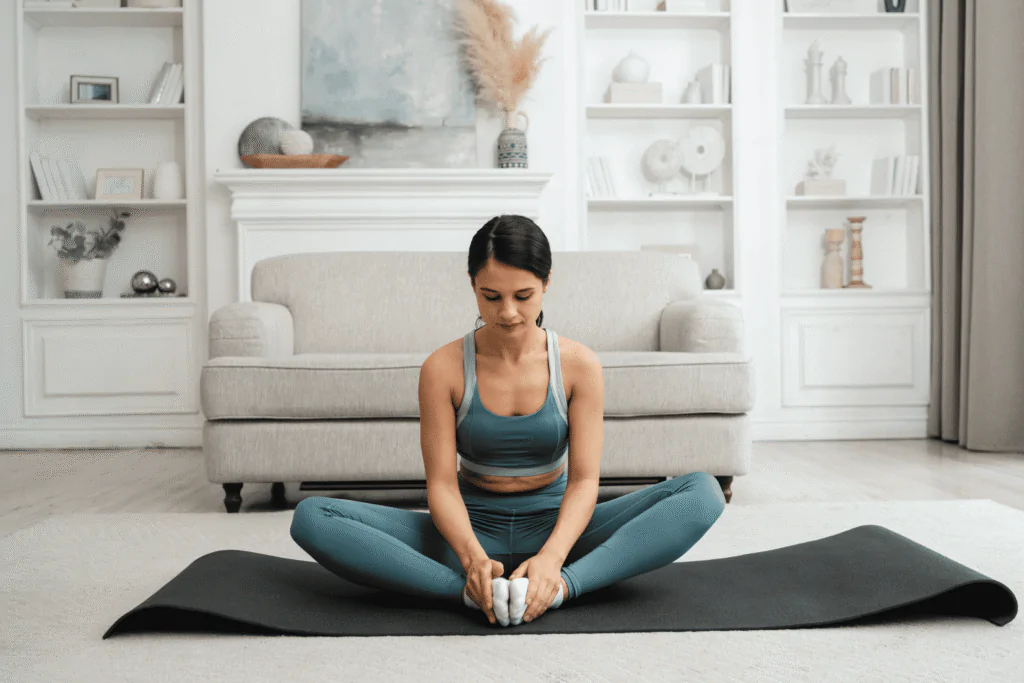
The beauty of Sukhasana is that it still gives you the grounded feel of sitting on the floor for meditation without putting pressure on your joints. If you’re starting out with meditation and flexibility training, this is the perfect stepping stone before working up to half lotus or full lotus.
Practical Implementation of Lotus Pose
Lotus isn’t just a pose — it’s a practice. At first, you may only be able to sit for a minute or two. That’s okay. Over time, as your hips open and your body adjusts, you’ll be able to sit comfortably for longer periods.
Try using Half Lotus for daily meditation, then gradually work toward Full Lotus. Remember, consistency matters more than forcing the “perfect” shape.
Anatomy of Lotus Pose
- Hips: External rotation is key here.
- Knees: They bend deeply, so flexibility in the hips protects the knees.
- Ankles: Need to flex to avoid strain.
- Spine: Naturally elongated, helping you breathe deeper.
- Pelvis: Anchors the whole position, keeping balance and stability.
Conclusion: Finding Stillness in Lotus
The Lotus and Half Lotus poses are more than just meditation postures—they’re timeless symbols of balance, discipline, and inner stillness. Whether you choose the Half Lotus for its accessibility or commit to the Full Lotus for its deeper grounding, both positions invite you into a space where your body becomes steady and your mind begins to quiet.
Remember, there’s no rush. These poses take time, patience, and practice. At first, you may feel the stretch in your hips or notice your back working harder to stay upright, but gradually, your body adapts, and the posture becomes a natural doorway to mindfulness. Think of it like planting a seed: with consistent care, the Lotus blossoms beautifully—both on the mat and within you.
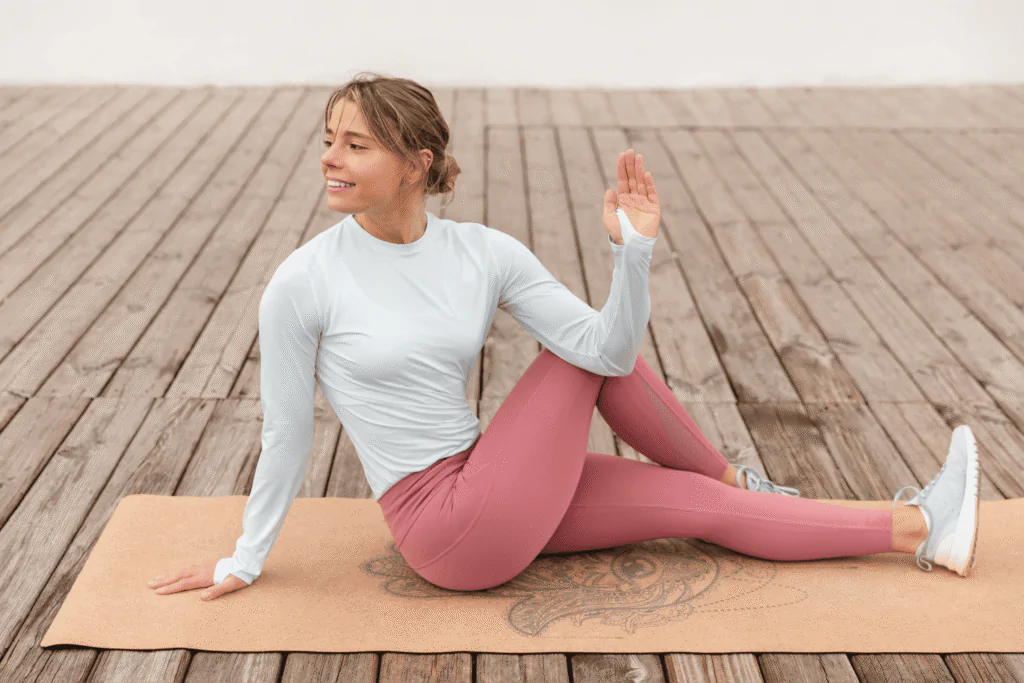
The key is listening to your body. If something feels uncomfortable, choose a variation, use props, or step back into the Half Lotus until you feel ready. Meditation isn’t about forcing yourself into the “perfect” pose—it’s about finding the position that allows your breath to flow and your focus to deepen.
So, the next time you sit down to meditate, ask yourself: What does my body need today? Sometimes it might be the Half Lotus, other times the Full Lotus, or even a supported variation. Whatever you choose, know that you’re walking a path of stillness and awareness—step by step, breath by breath.